


The Modern Threat: Understanding Car Theft Risks in the UK
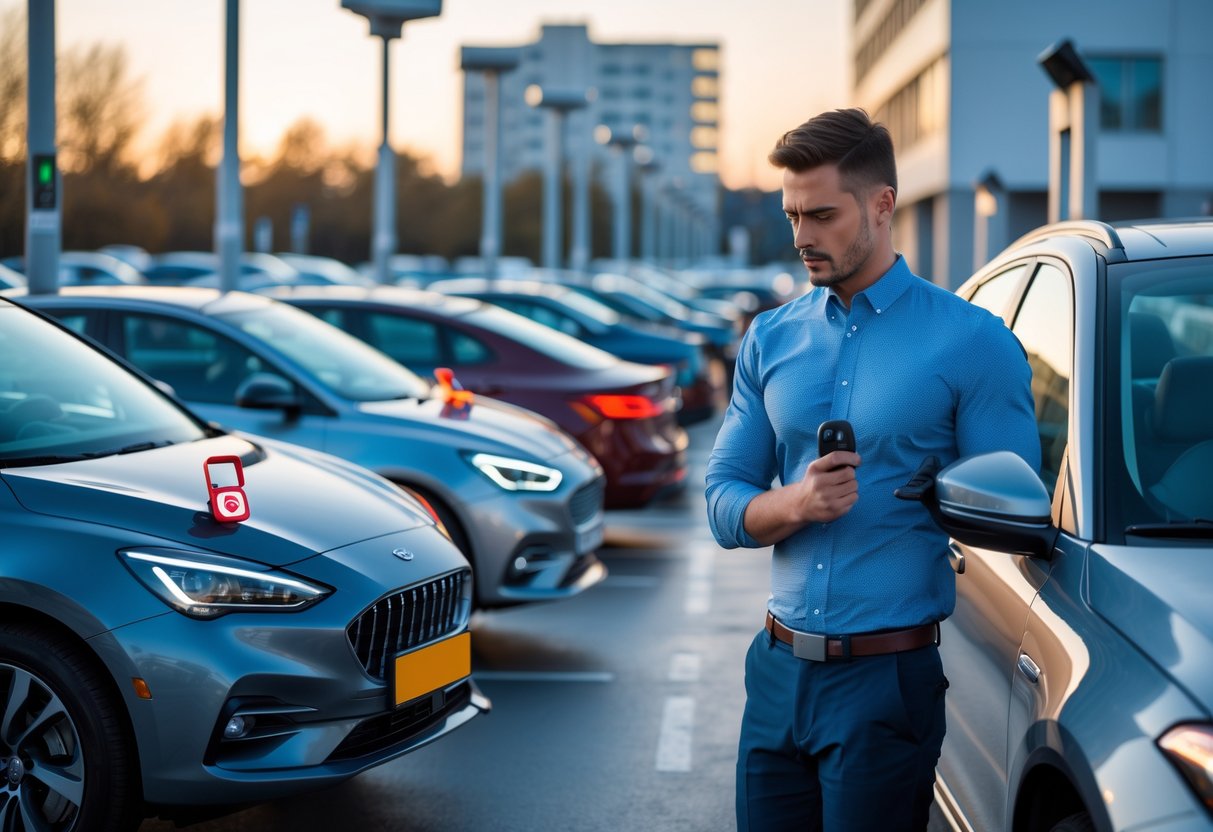
Wondering how to stop car theft UK? It’s not just about locking your doors anymore. Thieves have gotten smarter, using tech that feels straight out of a heist movie, and even the fanciest security systems aren’t foolproof.
Let’s talk numbers: Over 129,000 cars were stolen in the UK in 2023. That’s nearly 356 vehicles every single day. Sounds wild, but it’s the reality we’re living in.
Most of these thefts aren’t the old smash-and-grab jobs. Thieves now use gadgets like signal boosters and cloned fobs,sometimes your car’s gone before you’ve even noticed. Often, it happens right outside your house, which is unsettling, to say the least.
Here’s the kicker: Three-quarters of cases go unsolved. With criminals moving so fast, you can’t just rely on tech. You’ve got to mix old-school habits with modern security if you want to keep your car safe.
Keyless Cars: A Magnet for Modern Thieves
Keyless entry is super convenient, but it’s also a bit of a double-edged sword. These cars are especially vulnerable to what’s called a relay attack.
Basically, one thief stands near your front door and grabs your key’s signal. Another person waits by your car, relays the signal, and,bam,your car thinks the key is right there. It can take less than two minutes.
Faraday pouches or metal boxes can block those signals, which is a solid move. Manufacturers are making progress with better encryption and motion sensors, but if your car’s a few years old, you might still be at risk.
Honestly, a visible steering wheel lock or even just a bright security light can make a thief think twice. Sometimes, it’s the simple stuff that works best.
Common Owner Mistakes That Invite Car Theft
We all slip up sometimes. Maybe you forget to check if your doors are actually locked, especially with those silent remote fobs. Or you leave a bag on the seat, thinking you’ll be back in five minutes.
Leaving your keys near the front door or tossing them on the hallway table? That’s prime territory for a relay theft. Stash them further inside, or better yet, in a metal tin or Faraday pouch.
And please, don’t keep documents like your logbook or bank statements in the glove compartment. If your car disappears, that’s a headache you don’t need.
- Double-check locks,don’t just trust the beep.
- Use a signal-blocking pouch for your keys.
- Pick well-lit, busy spots to park.
It’s the little things that often trip us up, but they’re also what keep thieves at bay.
Relay Attacks & How to Stop Car Theft UK
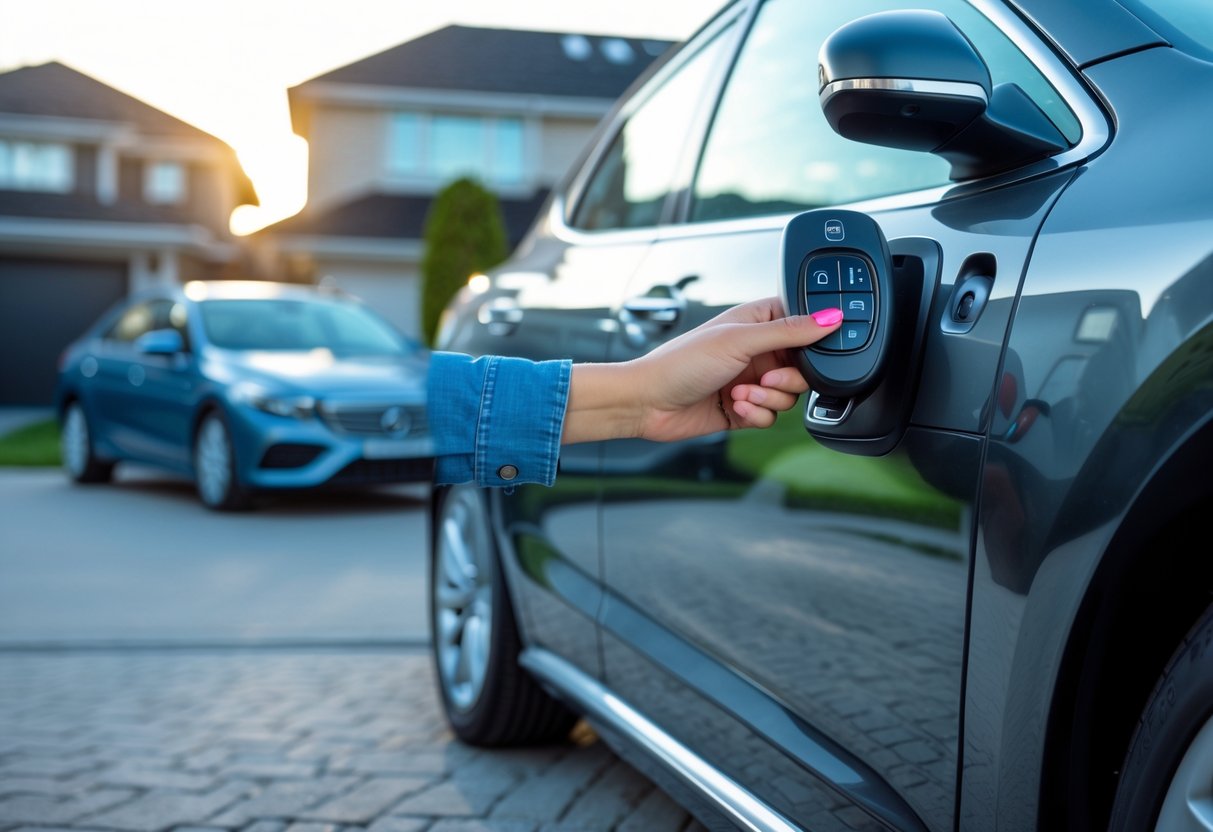
Keyless entry is handy, but it’s also a huge target. Criminals exploit the wireless signal between your fob and your car, making “how to stop car theft UK” a hot topic for anyone with a modern vehicle.
Relay Attacks Explained
Relay attacks are worryingly simple. Two thieves, two devices: one stands near your house, the other by your car. The first device snags your key fob’s signal, relays it to the second, and just like that, your car unlocks and starts.
It’s quick, silent, and leaves you wondering how your car vanished overnight. Some of these gadgets look like harmless electronics,Bluetooth speakers, even. For more on these methods, check out the Met Police’s vehicle security tips or Thatcham Research’s security certifications.
Just putting a few extra metres between your keys and your car can help. The less predictable you are, the better.
Keeping Car Keys Safe at Home
Where you leave your keys matters. If they’re by the door or in the hallway, you’re making a thief’s job way too easy. Move them deeper into your house,upstairs, if you can manage it.
Here’s a quick do/don’t list:
| Do | Don’t |
|---|---|
| Keep keys far from the car | Leave keys by the door |
| Disable fob signals if possible | Ignore lost spare keys |
| Use a certified Faraday pouch | Rely only on alarms |
If you’ve lost a spare or bought a used car, get the locks reprogrammed by a trusted locksmith. It’s a pain, but it’s worth it.
Choosing a Faraday Pouch That Actually Works
Not all Faraday pouches are created equal. Look for ones tested by Sold Secure or approved by Secured by Design. Cheap versions can stop working without you noticing.
Test your pouch by trying to unlock your car with the key inside. If it works, your pouch doesn’t. Keep every spare in a pouch, too,relay attacks are just too common now to skip this step.
Layered Physical Security: Stop Car Theft UK Style
Physical security still matters. Thieves want quick wins, so anything that slows them down is a win for you.
Steering Wheel & Gear Stick Locks: Old-School but Effective
Visible locks,on the steering wheel, gear stick, or pedals,send a clear message: “Not worth your time.” Go for ones with a Thatcham rating and a bright, obvious finish.
Here’s a quick rundown:
| Device | What It Does | Why It Works |
|---|---|---|
| Steering Wheel Lock | Blocks steering | Obvious and tough |
| Gear Stick Lock | Secures transmission | Prevents shifting gears |
| Pedal Lock | Stops brake/acceleration | Adds extra hassle |
Using two or more visible locks? Even better. Thieves don’t want to spend extra time or attract attention.
Smart Parking Choices to Prevent Car Theft
Where you park matters more than you think. Well-lit spots, visible CCTV, or even just being near a busy entrance can make your car less appealing to a thief.
At home, motion-activated lights and visible cameras are your friends. If you have a garage, use it. And don’t always park in the same place,mix it up if you can.
Small tricks, like turning your wheels toward the kerb or parking close to a wall, can make a quick getaway a lot harder. Sometimes, it’s the hassle factor that keeps your car safe.
Everyday Habits: Practical Ways to Stop Car Theft UK
Habits matter. Even the best security gear won’t help if you forget the basics. Securing all entry points and keeping your car tidy can make a real difference.
Always Double-Check Doors and Windows
It sounds obvious, but you’d be surprised how many cars get stolen because a door wasn’t locked properly. Even if you’re just popping into a shop, lock up and check everything.
- Physically check every lock.
- Listen for that satisfying “clunk” or look for the lights.
- Use the manual lock if the fob’s acting up.
Automatic locking is great, but it’s not foolproof. After a service or software update, double-check that it’s still working. A quick check beats the hassle of dealing with insurance claims.
Don’t Leave Valuables on Show
Leaving stuff in plain sight is just asking for trouble. Even loose change or a charging cable can tempt someone to smash a window.
Try this quick checklist:
| Action | Why It Helps |
|---|---|
| Remove bags, wallets, electronics | Makes your car less attractive |
| Stash stuff in the boot or take it with you | Keeps things out of sight |
| Cover up screens | Less attention from passersby |
Honestly, an empty car is a boring car,for thieves, anyway. Park near lights or cameras when you can, and just take your valuables with you. It’s less hassle in the long run.
Double-Checking for Signal Jammers: How to Stop Car Theft UK
Signal-jamming gadgets are sneaky tools some thieves use to interrupt the connection between your key fob and car. You think you’ve locked the doors, but in reality, your vehicle might still be wide open.
Always take a second to check if the locks have actually clicked into place before you walk away. If you notice the lights don’t flash or you don’t hear the locking sound, don’t just hope for the best,use the key manually instead of the remote.
Try parking away from vehicles with odd-looking antennae or anyone loitering with strange devices. It’s a hassle, but sometimes it’s worth the extra steps.
Faraday pouches are a cheap but surprisingly effective way to block radio signals from your keyless fob. This simple pouch makes it much harder for thieves to copy or boost your key’s signal and sneak off with your car.
Staying alert to these little details can really change the outcome when it comes to keeping your vehicle secure. Sometimes, it’s the small habits that matter most.
Securing Key Fobs and Spare Keys: How to Stop Car Theft UK
Keeping your car keys safe is a surprisingly big part of stopping car theft in the UK. Thieves are getting smarter with signal-boosting and key-cloning gadgets, so where you keep your keys matters just as much as locking your car.
Best Practices for Key Storage: Tips to Prevent Car Theft
It’s best to store car keys,spares included,well away from doors, windows, or any exterior wall. Relay attacks are a real thing; criminals use gadgets to grab your key’s signal from inside your home and unlock your car in seconds.
Faraday pouches or signal-blocking boxes are a solid line of defence. These little containers block the wireless signal, so your car can’t be unlocked remotely by someone lurking outside.
If your key fob lets you, turn off or “sleep” the keyless entry signal when you’re not driving. Some cars have this feature, and it’s worth checking your manual.
Don’t leave keys in plain sight,tables or hooks near the front door are basically an open invitation. Out of sight, out of mind (and out of reach for thieves).
Visible security like a steering wheel lock adds another layer. Thieves often move on if they spot obvious obstacles.
Just double-checking the locks and giving your surroundings a quick scan can make a surprising difference. Sometimes, it’s the routine stuff that works best.
Dangers of Hiding Spare Keys Near Vehicles
Hiding a spare key near your vehicle might seem clever, but thieves know all the classic hiding places,wheel arches, under mats, you name it.
Once they find a hidden key, they can drive off without breaking anything, and insurance claims get trickier. Spare keys should stay inside, ideally in a safe or a drawer far from doors or vents.
If you share the car, keep track of both keys rather than stashing one outside. Losing track is asking for trouble.
Jot down the key’s serial number and keep it somewhere safe. If a key goes missing, you’ll need that info to get it deactivated or replaced. Treating your spares with the same care as your main key closes an easy loophole.
Upgrading Vehicle Security Systems: How to Stop Car Theft UK
Upgrading your car’s security tech makes it much harder for thieves to get anywhere. Modern alarms, immobilisers, and GPS trackers are worth the investment,and sometimes even lower your insurance.
Installing Car Alarms and Immobilisers
A car alarm isn’t just noise,it’s a solid deterrent. Newer alarms can sense movement, glass breaking, or someone messing with the doors. Some even ping your phone if something’s up.
Immobilisers are another must-have. They stop the engine from starting unless the right key or code is present. Most newer cars have them, but if yours doesn’t, getting a Thatcham-approved immobiliser is a smart move.
Professional installation matters. Bad wiring can leave gaps in your defences or cause electrical headaches. It’s worth paying for someone who knows what they’re doing.
Testing your alarm and immobiliser every so often is just good sense. You don’t want to find out they’re not working when it’s too late.
| Feature | Car Alarm | Immobiliser |
|---|---|---|
| Main function | Deters entry | Prevents starting |
| Alert type | Audible/visual | Internal engine lock |
| Common upgrade cost | £150–£400 | £200–£500 |
Fitting a GPS Vehicle Tracker to Prevent Theft
Adding a GPS tracker doesn’t stop someone from taking your car, but it massively boosts your chances of getting it back. Trackers send your car’s location to your phone or a monitoring centre in real time.
There are two main types: self-monitored (you track the car yourself with an app) and subscription-based (a team keeps an eye on things and works with police if your car’s stolen).
Hide the tracker somewhere sneaky but where it can still “see” the sky for a signal,behind interior trim is a popular spot. Go for Thatcham Category S7 or S5 approved trackers for the best chance of police support and insurance perks.
While a tracker can’t physically stop a theft, recovery rates for cars with trackers are much higher,some sources say up to 95% for premium systems.
OBD Port Protection and Diagnostic Attack Defence: How to Stop Car Theft UK
Car thieves love exploiting the On-Board Diagnostics (OBD) port,the same port garages use to check your engine. It’s a weak spot, especially for keyless vehicles, and blocking access to it is crucial for stopping modern theft attempts.
How Thieves Use OBD Ports
With the right device, a thief plugs into the OBD port and talks directly to your car’s brain (the ECU). They can clone a key and start the engine in just minutes,no broken glass, no forced entry.
This method is everywhere, especially in car parks or driveways. If you spot loose trim under the dash or weird error codes, it might be worth a closer look.
Knowing where your OBD port is and limiting who gets near it is a good start. The more you know about how these attacks work, the better you can defend against them.
- Unprotected or obvious OBD ports
- Vehicles with keyless entry
- No encryption between ECU and diagnostic tools
OBD Port Blockers and Relocation Solutions
Physical OBD blockers are straightforward,they’re locks or covers that stop anyone from plugging in without your say-so. Some are metal and need a key, others are electronic and need a code.
Another option is relocating the OBD port to a hidden spot. It’s not a DIY job, but it makes it much harder for a thief to find and use it quickly.
For the tech-savvy, electronic OBD guards disconnect the port until a code or authorised key is used. Combine this with motion alarms and Faraday pouches for a seriously tough setup.
| Protection Method | Description | Typical Advantage |
|---|---|---|
| OBD Locking Device | Physical lock requiring a key | Quick, low-cost deterrent |
| Port Relocation | Moves access point to hidden area | Reduces exposure |
| Electronic OBD Guard | Uses encryption or activation code | Blocks hacking tools |
Mixing and matching these upgrades cuts down the risk of a diagnostic attack without making life hard for your mechanic. Just be sure any changes are done by someone who knows their stuff.
Advanced Security: Ghost Immobilisers and Kill Switches
Car thieves are getting more high-tech, and brute force isn’t their go-to anymore. Now, it’s about hacking electronics,so we need smarter defences like ghost immobilisers and hidden kill switches.
How Ghost Immobilisers Work for Theft Prevention
The Ghost Immobiliser is a clever bit of kit. It won’t let the engine start until you punch in a secret PIN using buttons already in your car (like on the steering wheel or dash). It hooks into the car’s CAN-bus system, making it tough to spot or bypass.
Unlike old-school immobilisers, the ghost system doesn’t give off any wireless signals,so there’s nothing for thieves to clone or jam. This makes it super effective against relay attacks, key cloning, and CAN-bus hacking.
The system is silent and invisible. Only you know the code, and if someone tries to start the car without it, nothing happens.
There’s also a “service mode” for mechanics so you don’t have to hand over your code during repairs. For best protection, always go with a TASSA-certified installer.
Benefits of Hidden Kill Switches: How to Stop Car Theft UK
A hidden kill switch simply cuts power to something vital (starter motor, fuel pump, etc.). Unless a thief knows exactly where it is and how it works, they’re not going anywhere,even with the key.
Install options vary:
| Type | Function | Example Placement |
|---|---|---|
| Manual Toggle | Cuts ignition/fuel feed | Behind dashboard panel |
| Magnetic Relay | Needs hidden magnet trigger | Under steering column |
| Clutch/Brake Activated | Only works with pedal pressed | Near pedal mechanism |
The beauty of a kill switch is its simplicity. It’s a physical block, not a digital one, and finding it takes time thieves usually don’t have. Pairing a kill switch with a Ghost Immobiliser is a double whammy for car crooks.
Just make sure the wiring is hidden and done right,sloppy jobs are easy to spot and can cause electrical gremlins.

Professional Assessment by Locksmiths
So, when figuring out how to stop car theft UK, certified automotive locksmiths and security specialists are honestly your best bet. They look at your car’s make, model, and risk level before suggesting anything.
We count on their know-how to pick safe integration points in the wiring. Professional installers make sure everything meets UK safety rules, and you don’t end up voiding your warranty.
Locksmiths will test the system after setup and show you how it works. They’ll check the immobiliser kicks in every time and that any hidden switches do their job.
If something goes wrong, you can get emergency override support or software tweaks as needed. Let’s be honest, having a trained pro sort this out just gives you peace of mind.
Van Security Essentials for Tradespeople: How to Stop Car Theft UK
Tradespeople rely on their vans to haul gear, and unfortunately, thieves know it too. Physical security and a few smart habits can make life way harder for anyone eyeing your stuff.
Preventing Peel and Steal Attacks: Car Theft Prevention UK
Ever heard of a peel and steal? Thieves use tools to yank back the top of a van’s door, sneaking inside without setting off alarms. It sounds wild, but it’s common.
Reinforcing weak door panels with steel plates or anti-peel brackets is a solid move. This stops the door skin from flexing and makes brute entry a real headache.
How you park matters too. Reverse up close to a wall or another vehicle, especially on the side with vulnerable doors.
Try to park in busy, well-lit spots or behind locked gates if you can. It’s not foolproof, but it’s a headache for thieves.
Adding heavy-duty hinges and guards helps too. Stick on some alarm or CCTV warning stickers,sometimes just looking like a hassle is enough to send thieves elsewhere.
Deadlocks and Hook Locks: Upgrading Van Security
Deadlocks and hook locks are a must for anyone serious about van security in the UK. A deadlock is basically a bolt you lock with a key,completely separate from your van’s central locking, so it’s not as easy for crooks to bypass.
Hook locks take things up a notch. The bolt actually hooks into a bracket, so prying the door away is nearly impossible.
These are perfect for sliding and rear doors, which are always a target. Fitting both gives you layers of protection, and if you leave tools in your van overnight, you’ll sleep easier.
Give your locks a quick check now and then to make sure they’re still solid. Quality gear, installed right, is a real game-changer.
Protecting Accessories and Reducing Temptation: How to Stop Car Theft UK
Let’s be real: if your car looks like it’s full of gadgets, you’re asking for trouble. Keeping valuables out of sight and being mindful about what’s left behind can really lower your risk.
Removing Stereos and Sat-Navs: Car Theft Deterrents
Removable stereos and sat-navs are still prime targets. Taking the faceplate or the whole unit with you? It’s a pain, but it works.
Lots of stereos now have quick-release fronts or hidden covers,use them. Thieves want a quick win, so don’t give them one.
Don’t forget to stash holders and charging cables too. Even a suction mark on your windscreen can tip off a thief that there’s tech inside.
| Device | Precaution | Benefit |
|---|---|---|
| Stereo faceplate | Take it with you | Renders stereo useless |
| Sat-nav | Remove device and cradle | Less incentive for theft |
| Charging cables | Hide or remove | Doesn’t advertise hidden valuables |
Even in guarded car parks, thieves do quick sweeps. A clean dashboard helps your car blend in,nothing flashy, nothing to steal.
Concealing Small Electronics and Accessories: Reducing Car Theft Risk
Loose gadgets,phones, chargers, dashcam bits,catch the wrong eyes, even if they’re cheap. Toss them in the glovebox or boot, or just take them with you.
My rule? If it’s not visible, it’s not tempting. Even sunglasses or coins should be tucked away.
Grab a little organiser box or stash stuff under the seat. If you’re leaving the car for a while, lock things in the boot before you park up,no need to let anyone see you hiding valuables at the last minute.
Frequently Asked Questions: How to Stop Car Theft UK
It’s not rocket science, but staying alert helps. Mixing smart habits, solid devices, and just being aware of your surroundings can make your car a much tougher target.
What effective methods can ensure my vehicle’s security against theft?
Lock up, always. Even for a minute. Steering wheel and pedal locks are old-school but still work as a visible warning.
Park where there’s light and people,thieves hate an audience. Immobilisers and trackers boost your odds if the worst happens.
Can you suggest the best anti-theft devices for cars currently on the market?
Look for Thatcham‑approved alarms, steering locks, and GPS trackers. Immobilisers that block the engine without the right key are tough to beat.
Signal-blocking pouches can stop keyless entry hacks. Plus, insurers like these gadgets, so you might save on premiums.
What practices should I follow when parking to minimise the risk of car theft?
Park near CCTV or with other cars. Avoid dark corners. In multi-storeys, closer to lifts or exits means more foot traffic and fewer opportunities for thieves.
At home, motion lights or a driveway cam add another layer. Always check windows and grab your valuables before locking up.
How do car security systems deter potential thieves?
Modern alarms, immobilisers, and trackers are a real headache for crooks. Alarms make a racket, immobilisers keep the engine dead, and trackers help police catch up fast.
Even a blinking light can make a thief think twice. Sometimes, that’s all it takes.
Is there a way to make my car less appealing to thieves?
A tidy car with no visible loot is way less tempting. Steering locks or wheel clamps signal it’s not worth the hassle.
Unique markings or etched windows make resale tricky. Go for subtle accessories over flashy ones if you want to keep a low profile.

Relay Attacks: The Modern Threat in Car Theft UK
Relay attacks are a sneaky way thieves steal cars with keyless entry. They use two devices,one near your home to pick up your key’s signal, and another by your car to trick it into unlocking and starting.
According to Met Police guidance, these attacks are rising fast in the UK, with some insurers reporting over 90% of keyless thefts involve this method. That’s a staggering stat, and it’s not slowing down.
To fight back, keep your keys in a signal-blocking pouch (sometimes called a Faraday bag) when you’re home. Don’t leave keys near the front door or windows, since that’s where thieves usually scan for signals.
For more in-depth research, Thatcham Research regularly tests car security systems and publishes lists of the most secure models. It’s worth a look if you’re thinking of upgrading or buying a new car.
What steps should I take if I notice suspicious activity around vehicles in my area?
If you spot something off near parked cars or notice someone acting oddly, it’s best to keep a safe distance and contact the police instead of stepping in yourself.
Try to jot down details,maybe a car model, a partial licence plate, or even just a description of the person. That info could really help officers later.
You might also want to let your Neighbourhood Watch group or local council know what you saw. Sometimes just staying alert and spreading the word is enough to keep everyone’s property safer.